


Jun 29, 2025
2 min read
The concept of salutogenesis, introduced by Aaron Antonovsky, reoriented the study of health away from illness and toward the conditions that support well-being. In architecture and spatial design, this shift has opened up new questions: not only how to reduce environmental stressors, but how to create settings that actively support psychological coherence and mental resilience.
Stillness, understood as a spatial condition rather than an aesthetic, has a critical role to play in this context. Its value is not simply in what it removes, but in what it enables.
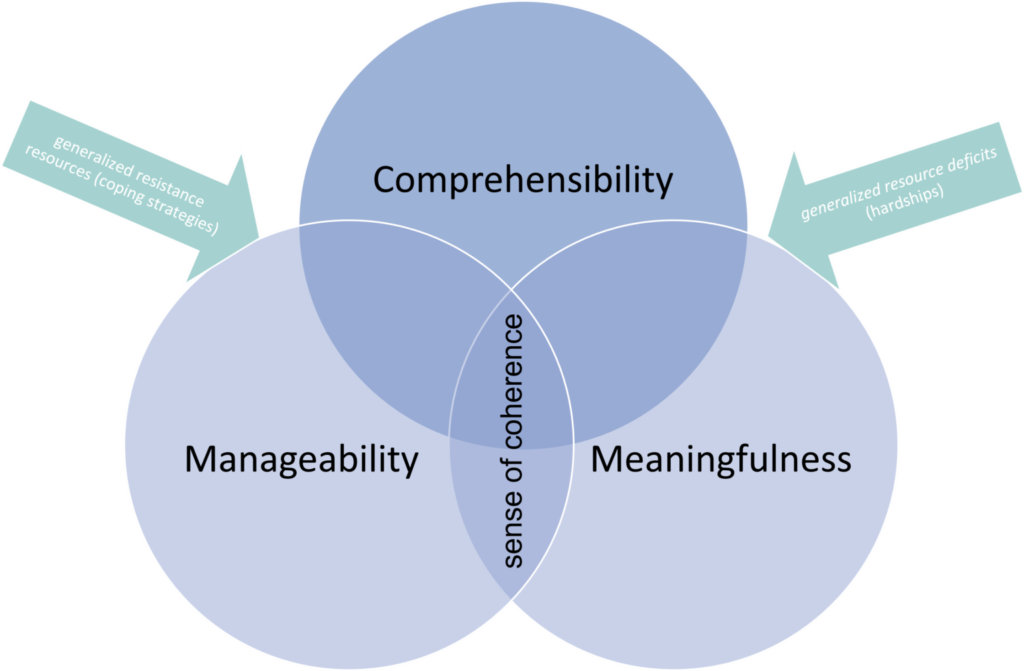
Research in cognitive neuroscience and environmental psychology suggests that environments low in sensory interference - those that reduce demands on attentional and perceptual systems - contribute to emotional regulation and recovery. These are not necessarily empty or minimalist spaces. They are places where sensory input is measured, where acoustics are contained and where rhythm and pacing have been considered. The cumulative effect is not silence in the literal sense, but a kind of perceptual clarity. This aligns closely with what Antonovsky described as comprehensibility: the ability to make sense of one’s surroundings with minimal effort.
Environments that support solitude also strengthen a sense of agency; another salutogenic quality. The ability to step back, pause or modulate one’s exposure to others and to stimuli contributes to what Antonovsky called manageability. In design terms, this involves more than circulation or access. It includes the availability of spaces that are not programmed for performance, but held in reserve for recovery; spatial thresholds where nothing is demanded.
The third strand of salutogenic design: meaningfulness, is perhaps the most elusive, but still relevant. Environments of stillness, when intentional and well-composed, often allow for forms of attention that are harder to access in overstimulating or high-velocity contexts. They afford time for recollection, for unstructured thought, for internal narrative. These experiences are not decorative, they are stabilising.
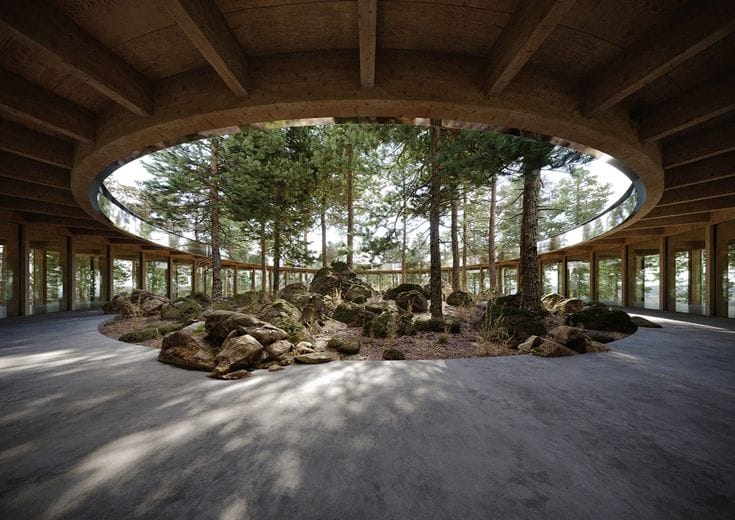
None of this requires radical rethinking of form or function. What it requires is a shift in design priorities, from performance to pacing and from programming to permission. Stillness in this framework is not a neutral absence, rather, it is a condition that permits psychological orientation, agency and depth. These are the building blocks of mental health, and the foundation of what salutogenesis asks us to take seriously.